The sinter cone is hollow and there is a 23-feet-wide opening at the top, through which a spiraling metal staircase was installed allowing tourists to descend into the excavated interior of the structure.

Photo credit: sipse.com
A plaque outside the cone, installed in 1970, carries a quote from an observer from 1585 describing Cuexcomate as “a very large rock crag standing alone, six or seven states tall, with circular form, in whose summit there is a great mouth, as if it was made to hold a well. It is very deep, and at the bottom there is foul-smelling water.”
The plaque also suggests that the cone once served as a site for human sacrifices to indigenous gods and later as a dumping ground for bodies of suicide victims because the locals felt that they did not deserve to be mourned or buried. Perhaps because of these horrors, the people living around the geyser were sometimes referred to as “children’s of the devil’s navel”.
Once the only landmark in the area, Cuexcomate is now surrounded by urban development, but is still a popular tourist attraction in Puebla.
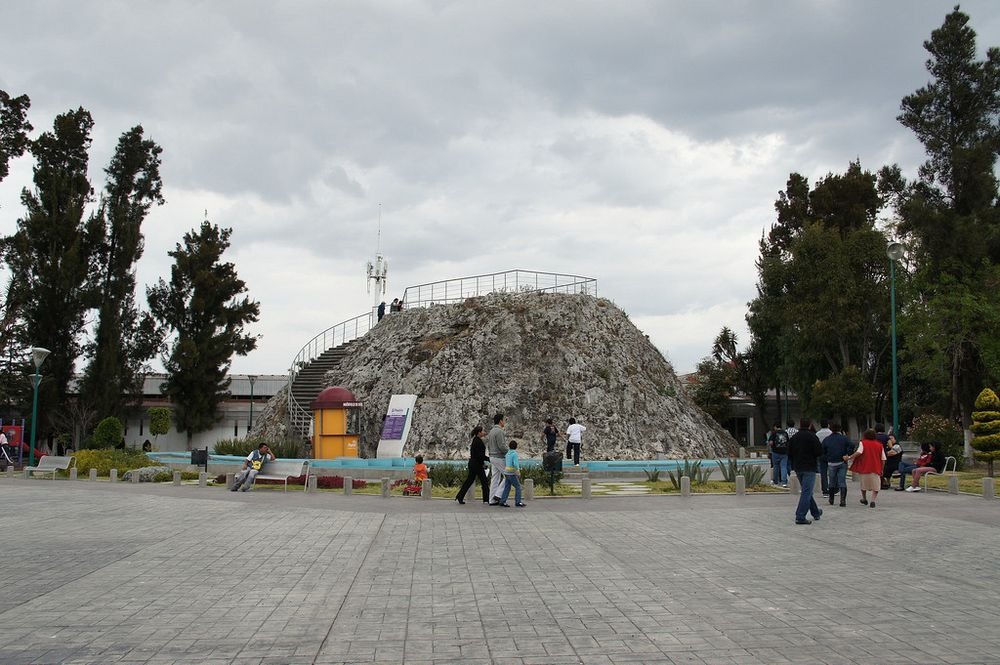
Photo credit: hectorio/Flickr
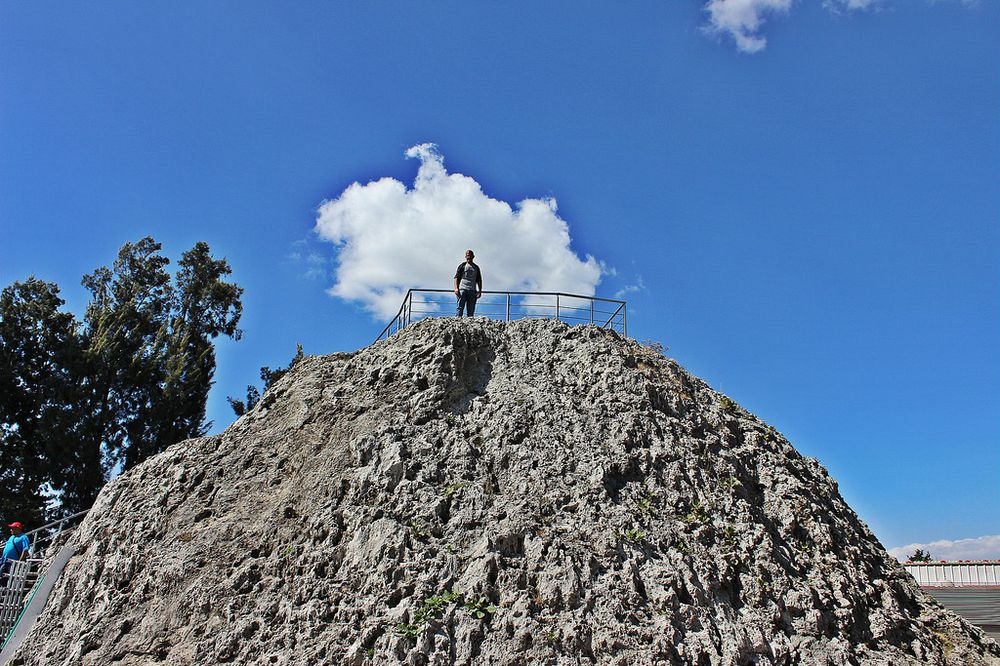
Photo credit: Jesús Dehesa/Flickr

Photo credit: sipse.com

Photo credit: Renato Ornelas/Panoramio

Photo credit: Antoine 49/Flickr

Photo credit: Antoine 49/Flickr
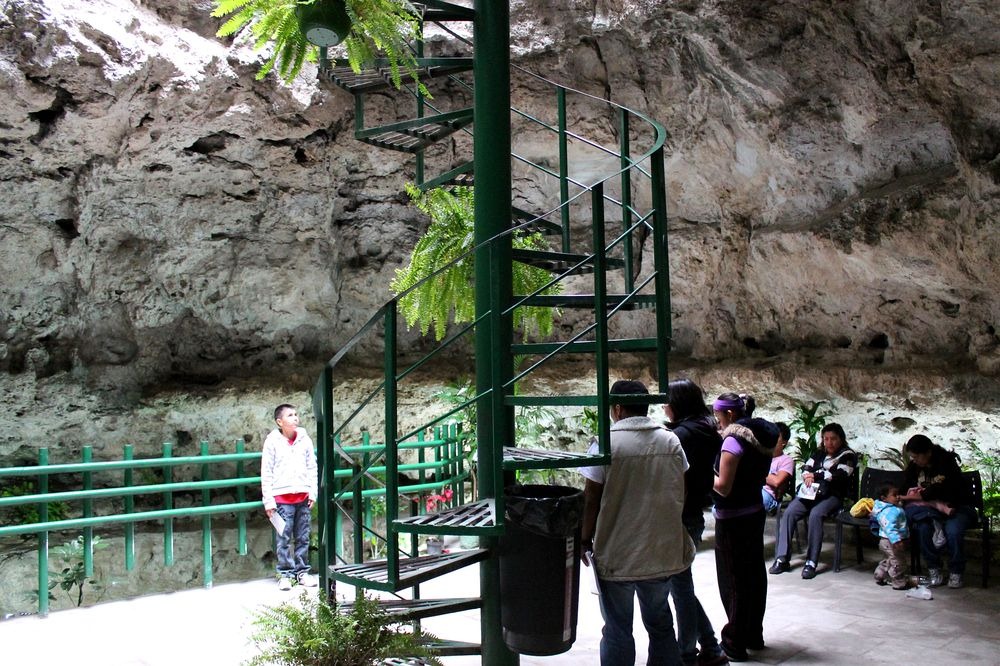
Photo credit: miagray.wordpress.com
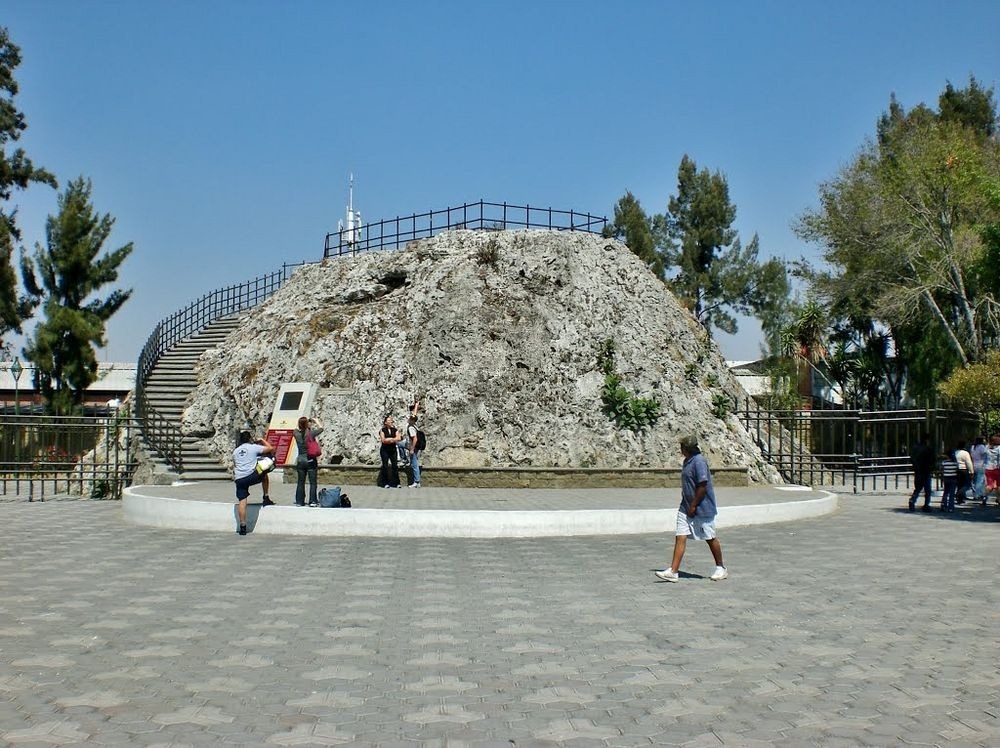
Photo credit: Sergio Arce G/Panoramio
Sources: Wikipedia / gsa.confex.com / www.puebla-mexico.com